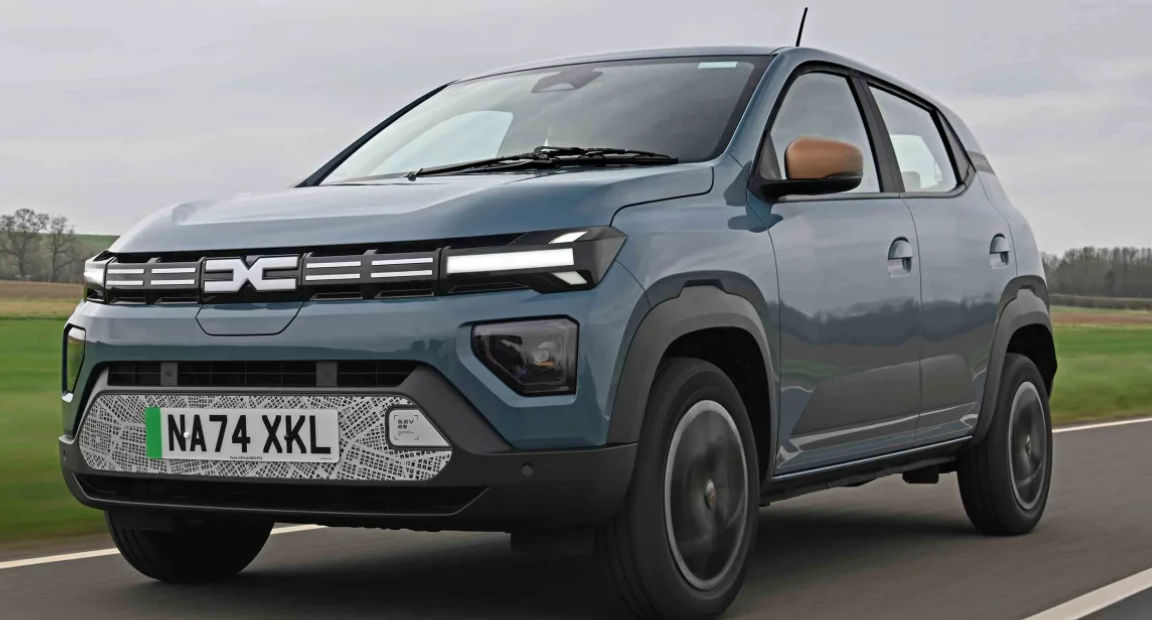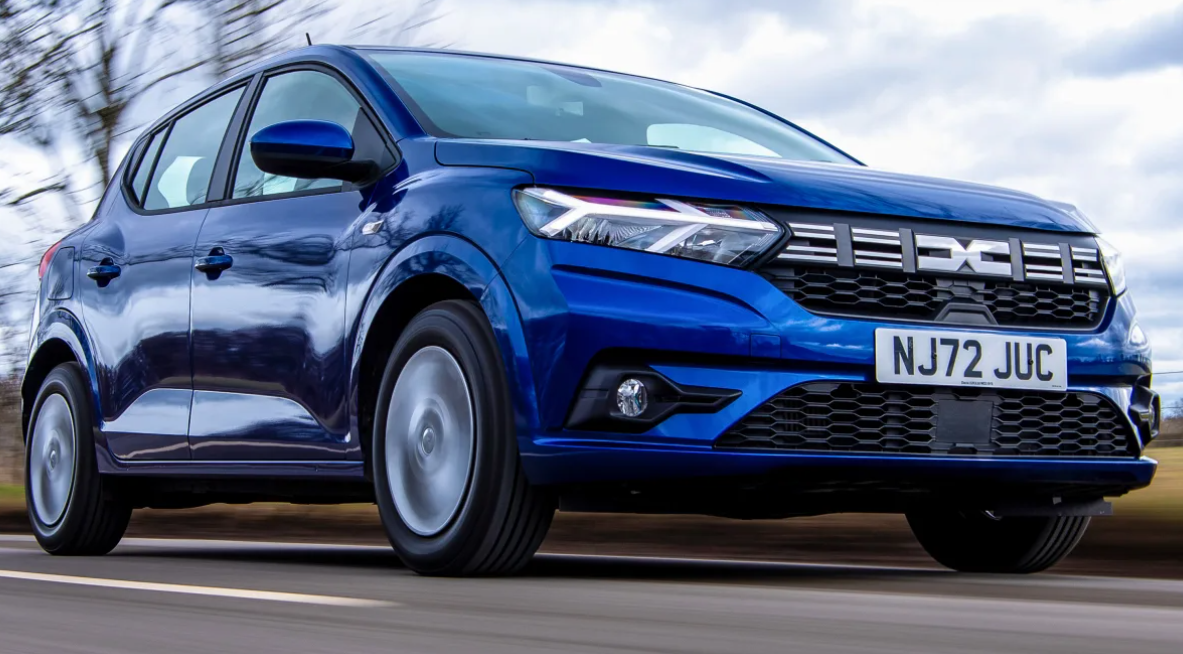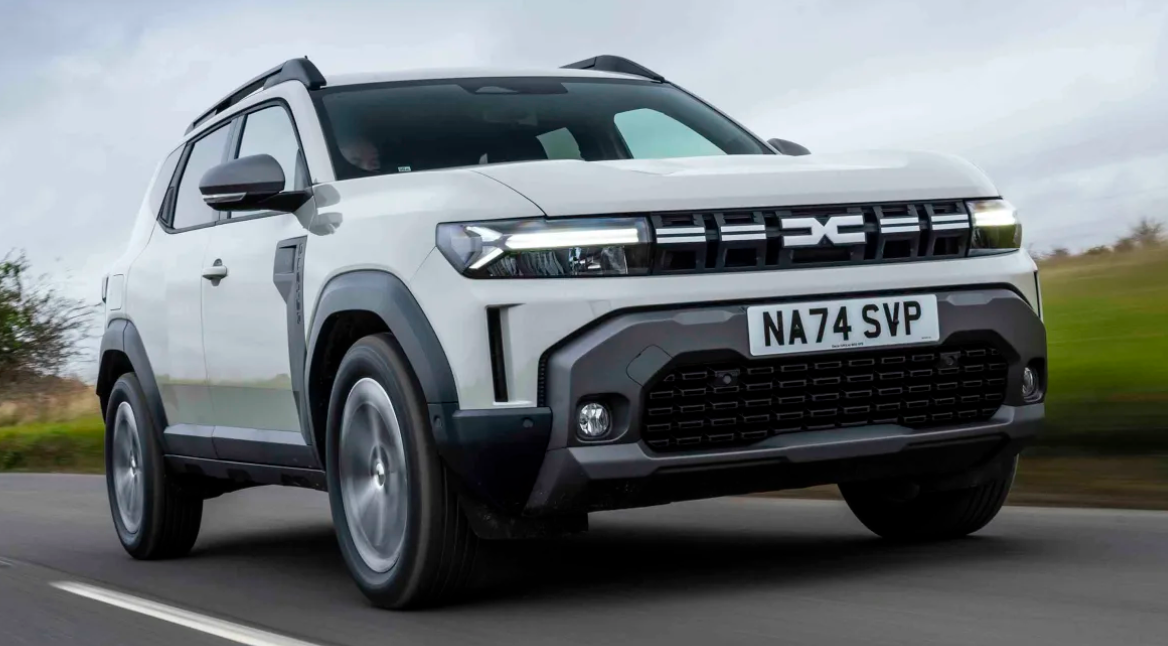
Our opinion on the Dacia Duster
Buyers are spoiled for choice when it comes to family SUVs, but finding something that offers maximum value for money is tricky. The Dacia Duster has always delivered its own unique charm in a class where many cars try to be sporty or aggressive, and the Romanian brand has carved out its own niche once again with the third-generation model.
We’re pleased to report that the Duster hasn’t lost its way, because this SUV still offers genuine appeal and practicality at an affordable price. It’s not the most refined or luxurious SUV for sale, but this car’s honesty makes it easy to enjoy, while the tough yet modern looks mean it can turn heads.
The latest Duster uses the same CMF-B platform as the Dacia Jogger, plus Renault’s Clio and Captur, and that means it has taken a significant step forward from its predecessor, with technological improvements and a generally grown-up feeling on the road.
About the Dacia Duster
The simple, honest Dacia Duster was launched in Europe in 2010 and went on sale in the UK in 2013. Since then, more than 2.4 million Dusters have been sold worldwide, with hundreds of thousands finding homes here in Britain.
Dacia has enjoyed big success with customers who prioritise value for money above anything else. This formula still applies with the latest Duster, although it combines this with an element of adventure as Dacia attempts to move away from being solely a budget brand. At a time when you’ll pay over £26,000 for a basic Ford Puma, and the Renault Captur starts at almost £22,500, the latest Duster is available from under £22,000.
What’s even more impressive is that the latest Duster isn’t just a heavy facelift – it’s an all-new car. It sits on the Renault Group’s CMF-B platform that also underpins the Renault Clio, as well as the Dacia Sandero and Dacia Jogger.
We’ve tested the budget-friendly family car extensively so far in petrol, hybrid and 4×4 guise. We also put it up against the MG ZS in a UK twin test. The Dacia saw off its Chinese foe thanks to its unique design, off-road capability and slightly lower starting price.
Our chief sub-editor, Andy Pringle, also lived with a Dacia Duster Hybrid in Journey trim for six months when it was on our long-term test fleet. The car’s strong real-world efficiency and high levels of interior and luggage space were two strong points in Andy’s eyes, but problematic tech and noisy motorway journeys did expose Dacia’s cost-cutting measures.
Dacia Duster prices and latest deals
There’s no denying the Duster’s budget-friendly credentials, thanks to its sub-£22,000 starting point, but the price you pay starts to climb once you work your way through the trim and powertrain options. Opt for the range-topping Extreme model powered by the full-hybrid TCe 140 set-up, and you’ll be looking at a price of around £27,500. That being said, this is still a bargain compared with the Hyundai Kona Hybrid, which starts from nearly £31,000. Regardless of your chosen spec, there are very few competitors that can beat the Duster on price.
If you want to save even more money, you can spec your ideal Dacia Duster via the Auto Express Buy a Car service. Here you’ll find average savings of around £1,300 on the list price, as well as plenty of new, in-stock Dacia Dusters and used Dacia Duster deals. We can also help you to sell your current car.
The Duster focuses on comfort, which sets it apart from many of its similarly sized SUV rivals. So-so performance and slightly wallowy handling are compromises we’re happy to accept, given the ride quality and low price point, but in some ways it feels like refinement has taken a slight step back compared with its predecessor.
As with most small SUVs, the Dacia Duster is front-wheel drive as standard, but a four-wheel drive system is available with the TCe 130 powertrain. This can handle more arduous terrain than your standard muddy farm track or boggy festival car park.
The Duster 4×4 also comes with a slightly taller ride height and 217mm of ground clearance, while there are drive modes for handling snow, mud/sand and general off-roading, plus hill descent control (which works in forward or reverse) that keeps the car moving at 5mph.
Approach and departure angles have been improved over the last Duster, and the 4×4 system can swap power between the axles for steep descents or precarious climbs. We tried the Duster 4×4 and were amazed at the obstacles it could conquer, even on road-biased all-season tyres.
The infotainment screen can show the car’s slip angles and off-road settings, which is helpful, although we’d like the front and rear cameras to have a higher screen resolution to allow the driver to spot obstacles more effectively. We managed to get the Duster to a 25-degree side angle, although we were told that during testing, 40 degrees was achieved, which is five degrees more than a Mercedes G-Class can do.
Performance, 0-60mph acceleration and top speed
One of the big stories for the third-generation Duster is that a full-hybrid powertrain is offered for the first time. It’s a set-up we’ve already sampled in the seven-seat Jogger, plus several Renaults. The 1.6-litre petrol engine is paired with a couple of electric motors: a main 49bhp unit to deal with propulsion, plus another smaller one working on brake regeneration and taking the place of a traditional starter motor. This set-up sends drive through a multi-mode clutchless gearbox, which Renault claims is more efficient than conventional dual-clutch or torque-converter autos. Output stands at 138bhp and 205Nm.